

In the realm of heavy - machinery and construction, crane cylinders play a pivotal role. They are the unsung heroes that provide the necessary force to lift, lower, and manipulate heavy loads with precision. As a crane cylinder supplier, I often encounter the question: What is the standard size of a crane cylinder? In this blog, we will explore this topic in detail, delving into the factors that influence cylinder size and the typical dimensions used in the industry.
Understanding Crane Cylinders
Crane cylinders are hydraulic devices that convert fluid power into mechanical force. They are essential components in various types of cranes, including mobile cranes, tower cranes, and crawler cranes. These cylinders are responsible for tasks such as extending and retracting the crane boom, tilting the crane cab, and lifting the load.
There are different types of crane cylinders, such as single - acting and double - acting cylinders. Single - acting cylinders use hydraulic pressure to move in one direction and rely on external forces, like gravity, to return to their original position. Double - acting cylinders, on the other hand, use hydraulic pressure to move in both directions, providing more control and versatility.
Factors Influencing the Size of Crane Cylinders
The size of a crane cylinder is not a one - size - fits - all specification. It is determined by several factors, each of which is crucial for ensuring the proper functioning and safety of the crane.
Load Capacity
One of the primary factors influencing the size of a crane cylinder is the load capacity of the crane. A crane designed to lift heavy loads will require larger cylinders to generate the necessary force. The force exerted by a hydraulic cylinder is calculated using the formula: Force = Pressure × Area. Therefore, to lift heavier loads, either the pressure in the hydraulic system needs to be increased or the area of the cylinder's piston needs to be larger. For example, a large - scale industrial crane used in shipyards may need cylinders with a larger bore diameter to lift massive ship components.
Stroke Length
The stroke length is the distance that the piston inside the cylinder can travel. This is determined by the range of motion required by the crane's operation. For instance, a crane with a telescopic boom needs cylinders with a long stroke length to fully extend and retract the boom sections. Longer stroke lengths usually mean larger and more complex cylinders, as they need to maintain stability and smooth operation over a greater distance.
Crane Type and Application
Different types of cranes have different operational requirements, which in turn affect the size of the cylinders. Mobile cranes, which need to be easily transportable, may have smaller and more compact cylinders compared to tower cranes, which are stationary and can accommodate larger components. Additionally, the application of the crane also matters. A crane used for construction in a confined urban area may require cylinders with specific dimensions to fit the space constraints.
Hydraulic Pressure
The hydraulic pressure available in the crane's system also plays a role in determining cylinder size. Higher hydraulic pressures can generate more force with smaller cylinders. However, using high - pressure systems requires more robust and expensive components, as well as careful maintenance to prevent leaks and failures.
Typical Standard Sizes
While there is no single "standard size" for crane cylinders due to the wide variety of crane designs and applications, there are some common ranges of dimensions used in the industry.
Bore Diameter
The bore diameter is the internal diameter of the cylinder tube. In general, bore diameters for crane cylinders can range from a few inches to over a foot. Smaller cranes, such as those used in light - duty construction or material handling, may have bore diameters in the range of 2 - 6 inches. Medium - sized cranes used in general construction projects typically have bore diameters between 6 - 10 inches. Heavy - duty cranes, like those used in mining or large - scale industrial projects, can have bore diameters of 10 inches or more.
Rod Diameter
The rod diameter is the diameter of the piston rod. It is usually smaller than the bore diameter but is an important factor in determining the cylinder's strength and stability. For smaller bore cylinders, the rod diameter may be around 1 - 2 inches. In medium - sized cylinders, the rod diameter can range from 2 - 4 inches, and in large - bore cylinders, it can be 4 inches or more.
Stroke Length
Stroke lengths can vary widely depending on the crane's design. Short - stroke cylinders may have a stroke length of less than a foot, while long - stroke cylinders used in telescopic booms can have stroke lengths of several feet or even tens of feet.
Our Product Range
As a crane cylinder supplier, we understand the diverse needs of the crane industry. We offer a wide range of Crane Boom Hydraulic Cylinders. These cylinders are designed to meet the high - performance requirements of modern cranes. Our Crane Hydraulic Cylinder products are available in various sizes and configurations to suit different types of cranes, from small mobile units to large industrial cranes.
We also manufacture Engineering Hydraulic Cylinder that are engineered for durability and reliability. Our engineers work closely with customers to understand their specific requirements and provide custom - designed solutions when standard sizes do not meet their needs.
Importance of Choosing the Right Size
Selecting the correct size of crane cylinder is crucial for the safe and efficient operation of the crane. An undersized cylinder may not be able to generate enough force to lift the required load, leading to overloading and potential failure. On the other hand, an oversized cylinder can add unnecessary weight and cost to the crane, as well as increase the complexity of the hydraulic system.
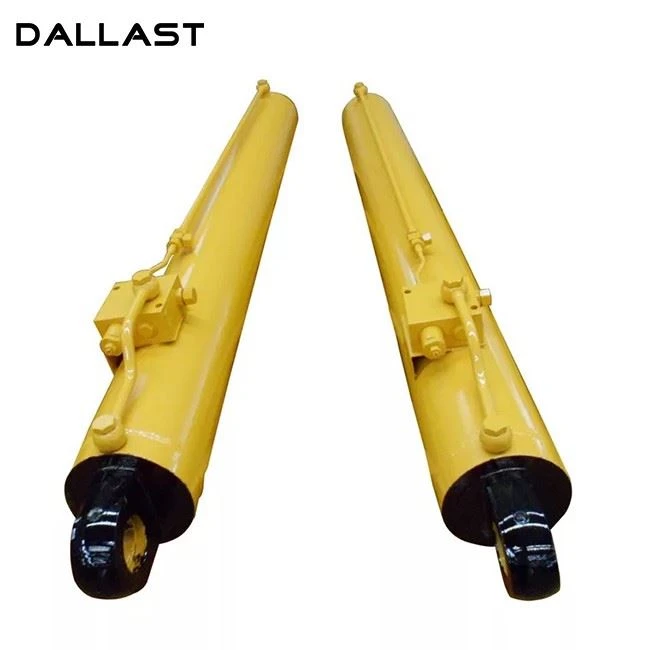

Proper sizing also ensures that the cylinder operates within its design limits, reducing wear and tear and extending its service life. This, in turn, reduces maintenance costs and downtime, improving the overall productivity of the crane.
Contact Us for Your Crane Cylinder Needs
If you are in the market for crane cylinders, whether for a new crane build or a replacement part, we are here to help. Our team of experts can assist you in selecting the right size and type of cylinder for your specific application. We pride ourselves on our high - quality products and excellent customer service.
Don't hesitate to reach out to us for more information or to discuss your procurement needs. We look forward to working with you to provide the best crane cylinder solutions for your projects.
References
- "Hydraulic Cylinders: Design and Application" by Peter A. Merritt
- "Crane Handbook: Operation and Maintenance" by Frank J. DeStefano
- Industry standards and guidelines from organizations such as the American Society of Mechanical Engineers (ASME) and the International Organization for Standardization (ISO)