

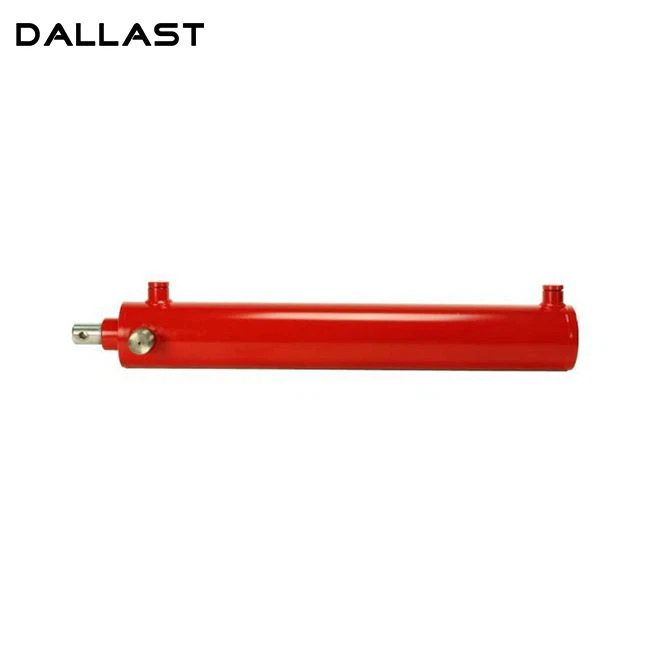
When operating a log splitter cylinder, the choice of oil is a crucial factor that directly impacts its performance, longevity, and efficiency. As a seasoned supplier of high-quality log splitter cylinders, including Welded Log Splitter Hydraulic Cylinder, 5 Inch Log Splitter Cylinder, and 40 Ton Hydraulic Cylinder for Log Splitter, I understand the importance of selecting the right oil for these systems. In this blog, I'll delve into the key considerations and types of oil suitable for log splitter cylinders.
Understanding the Role of Oil in a Log Splitter Cylinder
The oil in a log splitter cylinder serves multiple essential functions. Firstly, it acts as a lubricant, reducing friction between moving parts within the cylinder. This lubrication minimizes wear and tear on components such as pistons, seals, and valves, extending the lifespan of the cylinder. Secondly, the oil transfers power from the hydraulic pump to the piston, enabling the cylinder to generate the force required to split logs. Additionally, the oil helps to dissipate heat generated during operation, preventing overheating and maintaining the efficiency of the system.

Key Factors to Consider When Choosing Oil
Viscosity
Viscosity is one of the most critical factors to consider when selecting oil for a log splitter cylinder. Viscosity refers to the oil's resistance to flow, and it is typically measured at different temperatures. In cold weather, oil with a lower viscosity is preferred as it flows more easily, ensuring smooth operation of the cylinder. Conversely, in hot weather, a higher viscosity oil is needed to maintain proper lubrication and prevent excessive leakage.
Most log splitter manufacturers recommend using oil with a viscosity grade of ISO 32, 46, or 68. ISO 32 oil is suitable for use in colder temperatures, while ISO 46 and 68 oils are better suited for warmer conditions. It's important to refer to the manufacturer's specifications for your specific log splitter cylinder to determine the appropriate viscosity grade.
Additives
Many hydraulic oils contain additives that enhance their performance and protect the cylinder from damage. Anti-wear additives, for example, reduce friction and wear on moving parts, while anti-oxidant additives prevent the oil from breaking down and forming sludge. Corrosion inhibitors protect the cylinder from rust and corrosion, especially in environments where moisture is present.
When choosing oil for your log splitter cylinder, look for products that contain high-quality additives to ensure optimal performance and protection. Some oils are specifically formulated for use in log splitters and may offer additional benefits such as improved cold-start performance and better resistance to foaming.
Compatibility
It's crucial to ensure that the oil you choose is compatible with the materials used in your log splitter cylinder. Some oils may react with certain seals or gaskets, causing them to swell or degrade over time. This can lead to leaks and reduced performance of the cylinder.
Before using a new oil, check the manufacturer's recommendations or consult with a hydraulic specialist to ensure compatibility. If you're unsure, it's best to use an oil that is specifically designed for use in log splitters or hydraulic systems.
Types of Oil Suitable for Log Splitter Cylinders
Mineral Oil
Mineral oil is the most commonly used type of oil in log splitter cylinders. It is derived from crude oil and offers good lubrication properties at a relatively low cost. Mineral oil is available in a range of viscosity grades, making it suitable for use in different temperature conditions.
One of the advantages of mineral oil is its wide availability and affordability. However, it may not offer the same level of performance as synthetic oils, especially in extreme temperature conditions. Mineral oil also has a shorter lifespan compared to synthetic oils and may require more frequent changes.
Synthetic Oil
Synthetic oil is a high-performance alternative to mineral oil. It is chemically engineered to provide superior lubrication, stability, and resistance to oxidation and wear. Synthetic oils offer better performance in extreme temperature conditions, both hot and cold, and can extend the lifespan of the log splitter cylinder.
Although synthetic oil is more expensive than mineral oil, its long-term benefits often outweigh the higher cost. Synthetic oils require less frequent changes, reducing maintenance costs and downtime. They also provide better protection against corrosion and wear, ensuring the reliability and durability of the log splitter cylinder.
Biodegradable Oil
In recent years, there has been a growing demand for environmentally friendly hydraulic oils. Biodegradable oils are made from renewable resources and break down more quickly in the environment compared to traditional mineral or synthetic oils.
Biodegradable oils offer similar performance to traditional oils and are suitable for use in log splitter cylinders. They are often used in applications where environmental impact is a concern, such as in forestry or outdoor equipment. However, it's important to note that biodegradable oils may have different performance characteristics and compatibility requirements compared to traditional oils, so it's essential to follow the manufacturer's recommendations.
Maintenance Tips for Log Splitter Cylinders
In addition to choosing the right oil, proper maintenance is essential to ensure the optimal performance and longevity of your log splitter cylinder. Here are some maintenance tips to keep in mind:
- Regularly check the oil level: Check the oil level in the reservoir regularly and top it up as needed. Low oil levels can cause the cylinder to overheat and reduce its performance.
- Change the oil regularly: Follow the manufacturer's recommendations for oil change intervals. Over time, the oil can become contaminated with dirt, debris, and moisture, which can affect its performance and cause damage to the cylinder.
- Inspect the cylinder for leaks: Check the cylinder and hydraulic lines for any signs of leaks. Leaks can lead to a loss of hydraulic pressure and reduced performance of the log splitter. If you notice any leaks, repair them immediately.
- Clean the cylinder and components: Keep the cylinder and other components clean to prevent the buildup of dirt and debris. Use a mild detergent and water to clean the cylinder, and dry it thoroughly before reassembling.
- Store the log splitter properly: When not in use, store the log splitter in a dry, protected area. This will help to prevent corrosion and damage to the cylinder and other components.
Conclusion
Choosing the right oil for your log splitter cylinder is essential for ensuring its optimal performance, longevity, and efficiency. By considering factors such as viscosity, additives, and compatibility, you can select the oil that best suits your specific needs and operating conditions. Whether you choose mineral oil, synthetic oil, or biodegradable oil, following the manufacturer's recommendations and proper maintenance practices will help to keep your log splitter cylinder running smoothly for years to come.
If you're in the market for a high-quality log splitter cylinder or need advice on choosing the right oil, don't hesitate to contact us. Our team of experts is here to help you find the best solutions for your needs.
References
- Hydraulic Systems: Fundamentals, Components, and Applications.
- Maintenance and Troubleshooting of Hydraulic Equipment.
- Manufacturer's specifications for log splitter cylinders.